 615-271-5511
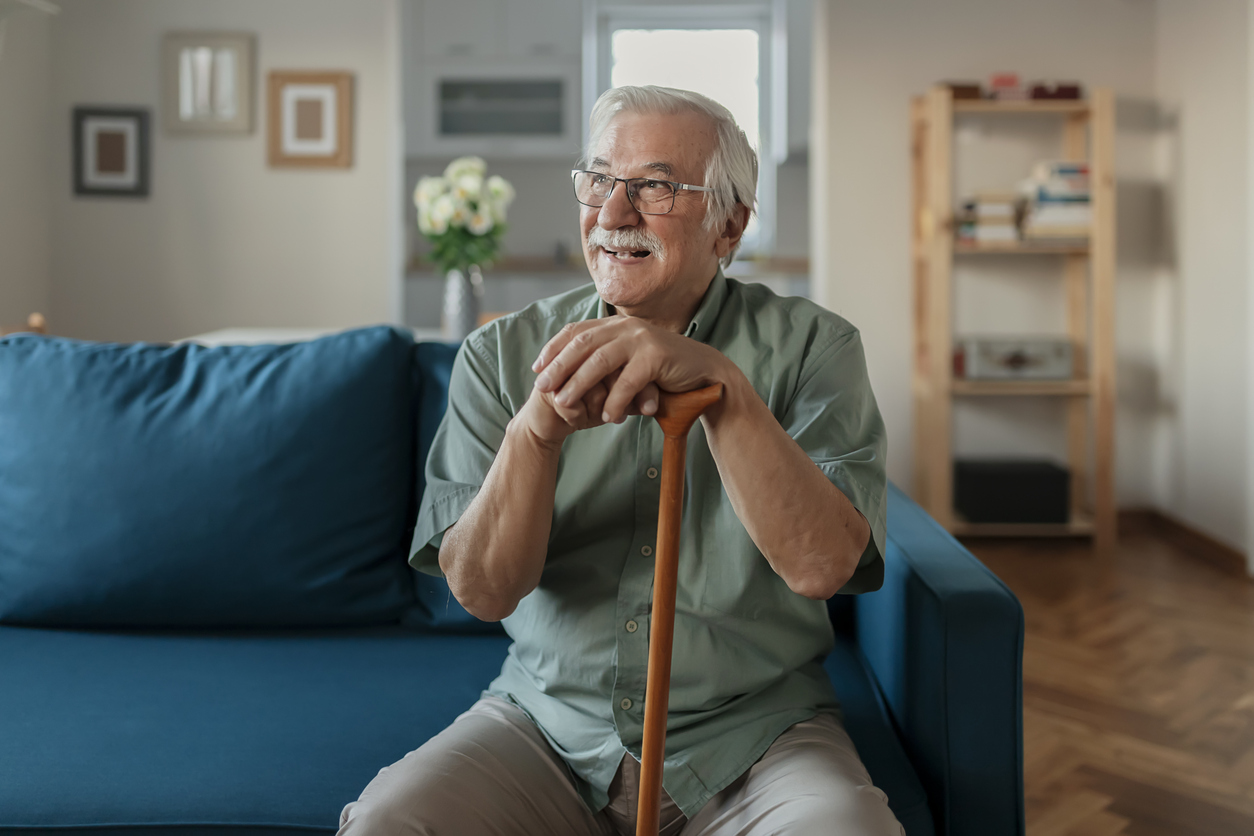
Falls are among the most common concerns for older adults and among the most preventable. Whether you’re thinking about your own safety or supporting a loved one, understanding fall prevention for seniors can make an enormous difference in long-term health, confidence, and independence.
The good news? Most effective strategies don’t require expensive equipment or major renovations. Small, intentional changes add up quickly. Clarendale at Bellevue Place, our rental senior living community in Nashville, is committed to holistic support for older adults, supporting all eight dimensions of wellness. As part of our commitment to helping older adults be at their best, we’ve compiled these tips on how to prevent falls at home.
Why Fall Prevention For Seniors Matters
Falls are the leading cause of injury among older adults in the United States, according to the Centers for Disease Control. Beyond the physical impact, research shows a fall can shake emotional well-being, many older adults report feeling less confident or more anxious about daily movement even after a minor incident. Reducing fall risk for older adults isn’t just about avoiding injury. It’s about preserving their freedom so they can keep doing the things they love.
Remove Tripping Hazards and Rethink Your Space
One of the most effective steps you can take when thinking about how to prevent falls at home is to walk through your loved one’s living space and identify hazards before they cause a problem. Here are a few high-priority areas:
- Bathrooms are one of the highest-risk rooms in any home, according to Stanford Medicine. You may want to consider installing grab bars near the toilet and shower, placing a non-slip mat inside the tub, or adding a shower chair if balance is a concern.
- Hallways and living areas should be clear of loose rugs, curled carpet edges, and clutter. Secure any cords that cross walking paths.
- Kitchens can also be a trouble area for falls if older adults need to stretch or climb to reach frequently used items. Keeping these items within easy reach can help prevent falls at home.
- Stairs should have secure handrails on both sides, and non-slip treads if the surface feels slippery.
- Bedrooms deserve special attention for the nighttime path between the bed and the bathroom, as this is when many falls occur.
Improve Lighting Throughout Your Home
Poor lighting is a surprisingly significant factor in home safety for elderly adults. Our eyes change as we age, and we need more light to see clearly, especially in low-light conditions.
These upgrades are easy and can make a big difference towards fall prevention for seniors:
- Add nightlights in hallways, bathrooms, and the bedroom
- Install motion-activated lights, so they’re never fumbling for a switch in the dark
- Make sure light switches are accessible at the top and bottom of every staircase
It’s also worth considering whether technology could help. Smart home voice-activated devices, for example, allow your loved one to control lights without getting up. For more on how technology can help prevent falls at home, check out our blog on how these tools are making a real difference for older adults.
Wear Proper Footwear
What you wear on your feet matters more than most people realize. Slippers without grip, socks on hardwood floors, or loose-fitting shoes can all contribute to slips and stumbles. Look for footwear with non-slip rubber soles, a secure fit around the heel, and good ankle support. It’s tempting to shuffle around in worn-in slippers at home, but swapping them for supportive shoes—even indoors—is one of the most practical senior fall prevention tips.
Build Strength and Balance Through Exercise
One of the most powerful tools for reducing fall risk in older adults is regular physical activity. Exercise builds strength, improves balance, and helps maintain coordination—all of which directly lowers the likelihood of a fall. The program doesn’t need to be intense—even gentle, consistent movement adds up.
Balance exercises, such as standing on one foot or heel-to-toe walking, light strength training for legs and core, Tai Chi, and daily walking are all excellent options. Our guide to the best exercises for seniors is a great place to explore what might work best for you.
As always, check with your doctor or a physical therapist before starting something new. They can tailor recommendations to your specific needs.
Talk to Your Doctor About Medications and Vision
Some medications, or combinations of them, can cause dizziness, drowsiness, or changes in blood pressure, increasing the risk of falls. If you take multiple prescriptions, ask your doctor or pharmacist to review them, keeping fall prevention for seniors in mind.
Annual vision checks are equally important. Updated glasses and early detection of conditions like cataracts or glaucoma can meaningfully improve depth perception and clarity. Both are essential for helping elderly adults move safely through their space.
Think About the Biggest Picture
For many seniors, these home modifications are entirely manageable and go a long way toward creating a safer, more comfortable environment. For others, questions about fall prevention open a broader conversation about what kind of support and lifestyle is right for them.
At Clarendale at Bellevue Place in Nashville, Tennessee, safety and wellness are woven into everyday life—from exercise programming and fitness classes to thoughtfully designed residences and a team available when you need them. It’s the kind of environment where you can focus on living well rather than managing risk on your own.
If you’re curious about what that looks like, we’d love to show you. Schedule a visit with our team and see what’s possible at Clarendale at Bellevue Place.